

Unlike a physical casino, the digital threshold is invisible. There are no walls, no tables, no doors—only the instant recognition of design and sound. This boundary is psychological, defined by atmosphere rather than architecture. The bettor doesn’t walk through it; they fall into it. The world narrows to light, color, and motion. Attention reshapes itself to fit the screen.
Anticipation Before Action
Before the first bet, there is waiting. The system loads, displays options, refreshes odds. This moment of stillness carries meaning—it prepares the player’s focus. The anticipation of choice becomes its own kind of excitement. Digital design amplifies this feeling, ensuring that even before the first click, the player is already inside the loop of expectation.
The Calm of Familiarity
Repeated actions create calm. Every BetLabel login, every confirmation, every familiar color builds a sense of comfort. The bettor recognizes patterns: the same layout, the same sounds, the same predictable steps. Routine transforms risk into ritual. The environment feels stable, even when outcomes remain uncertain. That stability becomes the foundation for return.
The Architecture of Flow
Once inside, motion replaces rest. Every click leads to another prompt, another decision, another possibility. The design ensures that options appear fluidly, keeping the bettor within the flow of engagement. The rhythm is intentional—fast enough to sustain attention, slow enough to mimic choice. Flow replaces deliberation; movement replaces thought.
Emotion as Architecture
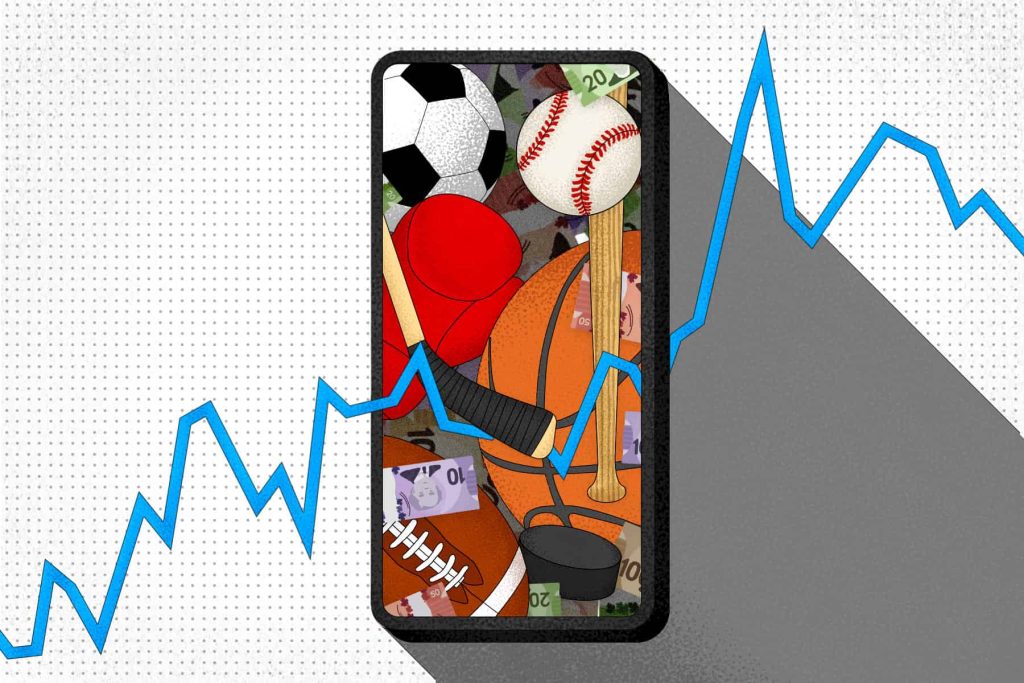
Emotion is not separate from structure—it is part of it. Every visual cue, every timer, every sound acts as an emotional signal. Excitement builds not from chance alone, but from how chance is presented. The bettor feels agency, but it is shared with the system. The screen becomes both stage and mirror, reflecting the player’s emotion back through design.
The Compression of Time
Inside digital betting, time behaves differently. There are no breaks between events. The future arrives instantly; the past dissolves quickly. The bettor moves through a continuous present where reflection is rare. Each outcome is immediately followed by opportunity. This design suspends awareness of duration, replacing it with an endless sequence of decisions.
Memory and Return
The bettor’s memory adapts to this compressed experience. Losses fade, wins stay bright, and the act of logging in becomes familiar comfort. Memory edits the experience, simplifying it into fragments of excitement and anticipation. When the player returns, it is not to replicate a win, but to relive that rhythm. Memory becomes a design tool, shaping future behavior.
The Human Core of Design
Despite its structure, digital betting remains deeply human. The process appeals to instinct: repetition, recognition, and the desire for rhythm. The technology refines these instincts rather than replacing them. The screen does not erase emotion—it organizes it. The system endures because it reflects the same patterns that shape human thought and memory.
Continuity Without Closure
Modern betting offers no final outcome, only continuation. The system is designed to sustain motion, not resolution. Each login begins the cycle again—anticipation, action, reflection, and return. In this design, the end never truly arrives. It waits quietly behind another password, another gesture, another moment where chance meets pattern, and rhythm becomes belief.


Leave a Reply