
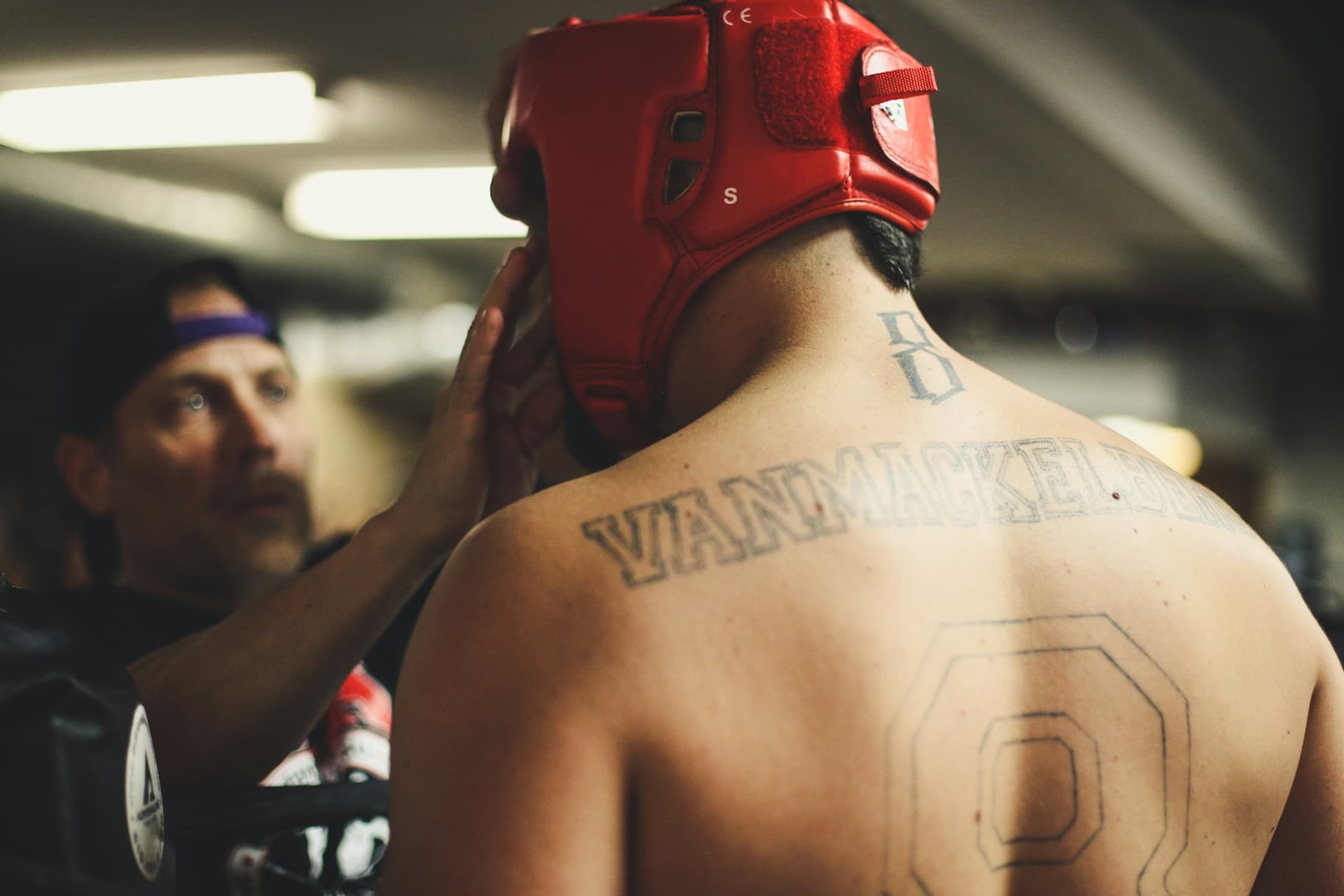
Combat sports are full of patterns gamblers obsess over — weight cuts, reach advantage, southpaw matchups, training camp shifts. But one tiny detail slips under the radar and yet shows up again and again: fighters who enter the cage or ring with fresh tattoos tend to lose more than they should. It isn’t magic and it isn’t superstition. Fresh ink leaves a mark on performance that bettors at 20Bet can use long before the first punch lands.
New Ink, New Identity
A tattoo isn’t just decoration. It’s a statement. When a fighter gets new ink — especially something large, symbolic, or personal — it often comes during a moment of life transition. That shift in identity can take focus away from the fight. A fighter might feel like the tattoo represents a new era, and with that feeling comes pressure to perform at a symbolic level, not just a competitive one. Losing becomes more emotional, and emotions never help a strategy.
Pain Doesn’t Vanish When the Bell Rings
Fresh tattoos hurt. Even after healing begins, the skin is sensitive, stretched, and easily irritated. Fight training involves grappling burns, glove friction, sweat stinging raw areas, and physical contact that disrupts recovery. A fighter dealing with discomfort won’t admit it, but the body never lies. A moment of hesitation, a slight flinch, a stiffness in motion — that’s enough to decide a fight.
Opponents Smell Weakness Instantly
Fighters scan bodies as soon as they face each other across the cage. A fresh tattoo is a flashing sign. Opponents know fresh ink means pain, ego, or distraction — sometimes all three. They target the tattoo physically, or psychologically, by mocking the symbol or attacking confidence. A small edge becomes a big advantage when brutality meets insecurity.
Live Bettors See the Shift Before Commentators Do
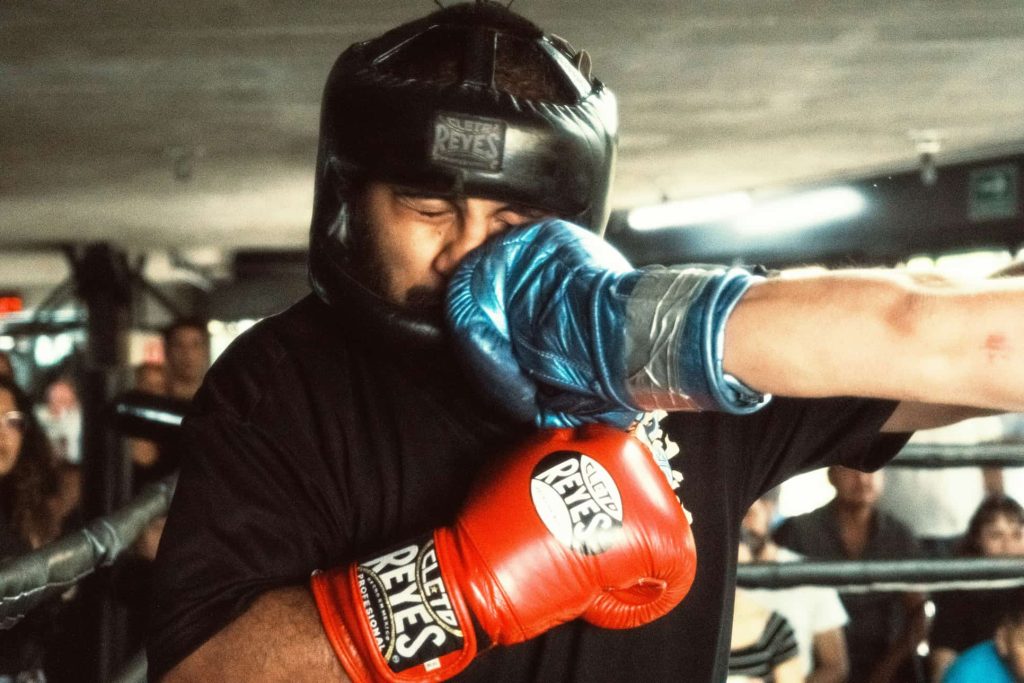
Once the fight begins, gamblers who study fresh-ink patterns look for simple tells:
- Hesitation in clinches
- Reduced ground engagement
- Sensitivity in tattooed areas
- Early aggression instead of disciplined pacing
As soon as those signs appear, live odds shift — but attentive bettors have already placed their wager.
Not All Tattoos Hurt Performance the Same Way
Big back pieces and torso tattoos correlate with sharper performance drops because they interfere with breathing, twisting, and defensive movement. Arm tattoos have smaller effects, and leg tattoos affect fighters who rely heavily on kicks and stance switches. The bigger the tattoo area, the bigger the competitive cost.
Social Media Predicts Collapse Before the Announcer Does
Large tattoo reveals on social media often trigger a long comment thread — fans praising, opponents mocking, analysts speculating. The more emotional attention the tattoo generates online, the worse the fighter performs statistically. The mind enters the fight early, but focus enters late.
The Tattoo High and the Sudden Crash
A fresh tattoo gives a fighter a temporary confidence surge. They feel reborn, renewed, unstoppable. But confidence built on narrative breaks faster than confidence built on conditioning. When the first exchange doesn’t go their way, the psychological crash is steep and immediate.
The Few Fighters Who Break the Pattern
Some fighters get tattoos constantly and fight unaffected. Their ink is routine, not identity. For them, tattoos aren’t symbols — they’re decorations. The key difference is emotional investment. The betting edge doesn’t come from the tattoo itself but from what it means to the fighter.



Leave a Reply